
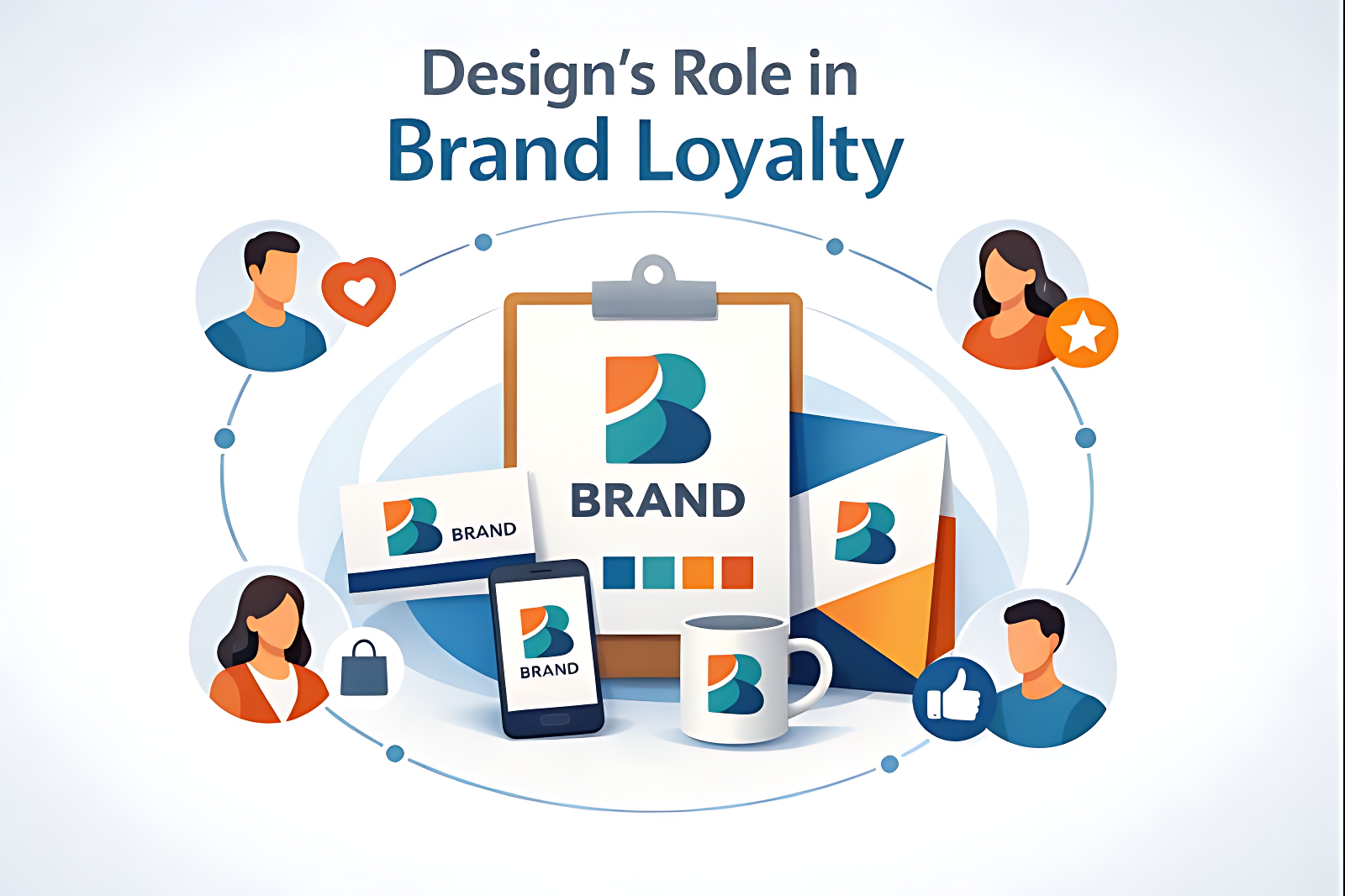
In today’s competitive digital and physical marketplaces, customer trust is a critical factor influencing buying decisions, brand loyalty, and long-term business success. Good design is no longer just about aesthetics; it plays a strategic role in shaping perceptions, usability, and credibility. This report explains how effective design builds and strengthens customer trust. Lets look how Good Design improves customer trust
1. Executive Summary
In the modern digital landscape, design is the primary proxy for professional legitimacy. This report outlines how high-quality design functions as a “trust signal,” reducing perceived risk for consumers and directly impacting conversion rates. Key findings indicate that 75% of a company’s credibility is judged based on its website design, and businesses with consistent visual branding can see up to a 23% increase in revenue.
2. First Impressions and Credibility
Design is often the first interaction a customer has with a brand. A clean, modern, and professional design creates a positive first impression and signals reliability.
- Well-structured layouts suggest organization and professionalism.
- High-quality visuals indicate attention to detail and seriousness.
- Consistent branding reinforces authenticity and legitimacy.
Customers are more likely to trust brands that look professional and well-established.
3. The Psychology of “Visual Trust”
Trust in design is driven by two main psychological phenomena:
A. The “Halo Effect”
When a user encounters a clean, modern, and high-functioning interface, they subconsciously attribute other positive traits—like reliability, honesty, and high product quality—to the business. Conversely, a dated or broken interface creates a “Reverse Halo Effect,” where users assume the company’s internal operations are equally disorganized.
B. Cognitive Fluency
Research suggests that the human brain equates “easy to process” with “true and safe.”
- Simple Layouts: Reduce cognitive load, making the user feel in control.
- Jakob’s Law: Users spend most of their time on other sites. Designing with familiar patterns (e.g., a cart icon in the top right) fosters a sense of security through predictability.
4. Usability and User Experience (UX)
Good design prioritizes ease of use. When customers can easily find information and complete tasks, trust naturally increases.
- Simple navigation reduces frustration.
- Clear calls-to-action guide users effectively.
- Responsive and fast-loading designs show respect for users’ time.
A smooth user experience communicates that the brand cares about customer needs.
5. Key Statistical Insights (2024–2025)
- 0.05 Seconds: The time it takes for a user to form a first impression.
- 94% of First Impressions: Are design-related rather than content-related.
- 88% of Consumers: Are less likely to return to a site after a single bad user experience (UX).
- 73% of Users: Will leave a website if the design is not responsive (mobile-friendly).
- 48% of Users: Cite website design as the #1 factor in deciding if a business is credible.
6. Conclusion
Design is not “making things pretty”; it is the strategic management of a user’s confidence. In an era of deepfakes and digital clutter, clarity is the ultimate luxury. Companies that invest in premium, user-centric design are not just buying a look—they are buying the customer’s permission to do business. Hence, Good Design improves customer trust